


- 25th Oct '26
- Ainycs
- 26 minutes read
3 Best Email Sequences for Lead Generation: A Comprehensive Step-by-Step Guide
In the fast-paced world of B2B marketing, mastering the art of email sequences is essential for successful lead generation. This comprehensive guide from Ainycs test delves into the intricacies of crafting effective email sequences, offering a step-by-step approach to enhance your outreach strategy. Starting with an explanation of what email sequences are and why they are crucial for engaging potential leads, the article guides you through setting clear objectives, identifying the right triggers, and planning your email content. You'll learn how to implement strategic delays and conditions to optimize engagement, test your sequences for maximum effectiveness, and explore real-life examples of successful campaigns. Additionally, the guide highlights common pitfalls to avoid and provides insights into measuring the success of your email efforts. Whether you're looking to nurture leads or boost sales, this guide equips you with the knowledge to elevate your email marketing game in 2026 and beyond.
What Is an Email Sequence?
Understanding Email Sequences
An email sequence is a series of automated emails designed to achieve specific objectives, such as onboarding new users or nurturing leads. These sequences are triggered by particular actions, like a customer signing up for a newsletter or making a purchase, indicating that they are at a critical stage in their journey. By delivering timely and relevant content, email sequences effectively guide recipients through the sales funnel, enhancing engagement and conversion rates.
Email sequences are highly versatile and can be tailored to meet various business goals. For instance, a welcome sequence might introduce new subscribers to your brand's values and offerings, while a re-engagement sequence could entice inactive users back to your platform. This strategic use of automation allows businesses to maintain consistent communication with their audience, fostering stronger relationships and driving sales growth.
Core Components of Effective Email Sequences
To create an effective email sequence, it's crucial to focus on a few core components. First, identify the objective of your sequence. Whether it's to educate, convert, or retain customers, having a clear goal will guide the content and structure of your emails. Next, determine the triggers that will initiate the sequence. These could be actions like a form submission, a specific page visit, or a purchase, ensuring that the emails are sent at the most opportune moments.
Additionally, consider the timing and frequency of your emails. Striking the right balance is essential to keep your audience engaged without overwhelming them. Automated emails typically have open rates that are 15% higher and click rates that are 152% higher than regular campaigns, making them a powerful tool in your marketing arsenal. To explore more about email sequences and their applications, you can visit platforms focused on email sequence templates and examples.
Dynamic vs. Static Email Sequences
Email sequences can be either static or dynamic. Static sequences send the same set of emails to everyone who triggers them, ensuring uniformity in communication. On the other hand, dynamic sequences adapt based on user interactions, providing personalized content that aligns with individual preferences and behaviors. For example, an e-commerce store might send different follow-up emails based on whether a customer clicked on links for baby clothing or children's clothing, tailoring the content to their specific interests.
This adaptability makes dynamic sequences particularly effective in delivering personalized experiences that resonate with recipients. By leveraging data and user behavior, businesses can enhance the relevance of their communications, ultimately improving engagement and conversion rates.
1. Understanding the Importance of Email Sequences for Lead Generation
Enhanced Engagement with Automated Emails
Email sequences are a powerful tool for lead generation, primarily due to their ability to automate and personalize communication with potential leads. Automated emails typically achieve open rates that are 15% higher and click rates that soar to 152% higher than regular email campaigns. This significant increase in engagement is crucial for businesses looking to capture and nurture leads effectively.
By automating emails, businesses can ensure that messages reach recipients at the optimal time, enhancing the likelihood of interaction. This automation not only saves time but also ensures consistency in messaging, which is vital for maintaining a professional image and building trust with potential clients.
Building Relationships with Welcome Sequences
A well-crafted welcome sequence is essential for establishing a strong relationship with new subscribers. This type of sequence is designed to introduce your brand and products, helping to deepen the connection with the recipient. By providing valuable information and setting the tone for future interactions, a welcome sequence can significantly enhance the subscriber's perception of your brand.
Incorporating elements such as social proof and addressing potential objections in subsequent emails can further solidify this relationship. This strategic approach not only increases the likelihood of conversion but also fosters long-term loyalty, making it an indispensable part of any lead generation strategy.
Utilizing Conditional Logic for Personalized Sequences
To maximize the effectiveness of email sequences, leveraging conditional logic is key. By setting up If-Then or If-Else rules, businesses can tailor their email content based on specific subscriber actions or characteristics. This customization ensures that each recipient receives messages that are relevant to their interests and behaviors, increasing the likelihood of engagement.
For instance, if a subscriber clicks on a link in an initial email, a follow-up email can be automatically sent with more detailed information on the topic of interest. This level of personalization not only enhances the user experience but also significantly boosts the chances of converting leads into customers. For more insights on crafting effective email sequences, you can explore platforms focused on data enrichment tools.
| Email Type | Purpose | Key Element |
|---|---|---|
| Welcome Sequence | Introduce and build a relationship | Brand introduction |
| Nurture Sequence | Engage and educate | Valuable content |
| Re-engagement Sequence | Revive inactive leads | Special offers |
- Identify the goal of your email sequence.
- Segment your audience based on behavior and preferences.
- Craft personalized and relevant email content.
- Set up conditional logic for targeted messaging.
- Analyze metrics to optimize future campaigns.
- Increased engagement rates
- Improved brand perception
- Higher conversion rates
Having established the significance of email sequences for lead generation, it is essential to explore the various types of email sequences that can effectively engage your audience and drive conversions.
Types of Email Sequences You Can Use
Message Actions in Email Sequences
Message Actions are a key part of email sequences, automatically sending messages to contacts enrolled in the sequence. These actions ensure each recipient receives the right message at the right time, without manual intervention. By setting up Message Actions, businesses can maintain consistent communication with leads, crucial for building relationships and guiding prospects through the sales funnel.
To implement Message Actions effectively, consider the timing and content of each message. Tailor the messages to specific stages of the buyer's journey, ensuring each email provides value and encourages the recipient to take the next step. This approach helps in nurturing leads and converting them into customers.
The Role of Delays in Email Sequences
Delays are another critical element of email sequences, allowing you to pause the sequence based on specific rules set by the user. This feature is particularly useful for spacing out communications, preventing overwhelming your audience with too many emails in a short period. By strategically implementing delays, you can enhance the effectiveness of your email campaigns, ensuring each message resonates with the recipient.
When setting delays, consider the typical decision-making timeline of your target audience. For instance, a B2B lead might require more time to evaluate options compared to a B2C customer. Adjusting the delay periods accordingly can improve engagement and response rates.
Challenges of Cold Emailing
Cold emailing presents unique challenges because it involves reaching out to individuals with whom you have no prior relationship. This type of email sequence requires careful crafting of messages to capture attention and build trust quickly. The key to successful cold emailing lies in personalization and relevance. Customize each email to address the recipient's specific needs or pain points, and include social proof to establish credibility.
For businesses looking to improve their cold emailing strategies, exploring platforms focused on sales email sequences can provide valuable insights and templates. These resources can guide you in creating compelling messages that stand out in crowded inboxes.
- Identify the type of email sequence that aligns with your lead generation goals.
- Set up Message Actions to automate communication with leads.
- Incorporate delays to optimize the timing of your messages.
- Personalize cold emails to increase engagement and build relationships.
Step 1: Decide Your Goals for the Email Sequence
Define Clear Objectives for Your Email Sequence
Before setting up an email sequence, establish clear objectives to guide the design and content of your emails. Common objectives include lead nurturing, customer onboarding, and increasing brand awareness. For instance, a welcome sequence might aim to introduce new subscribers to your brand and products, while an onboarding sequence helps new users understand how to use your product effectively.
Having a well-defined goal allows you to tailor your content to meet specific needs and improve engagement. Automated emails, when aligned with clear objectives, can significantly outperform regular campaigns, boasting open rates that are typically 15% higher and click rates that are 152% higher.
Core Points to Know
Understanding the core elements of an email sequence is essential. Each sequence should be structured to support the overarching goal. For example, if the goal is lead nurturing, your emails might include educational content, case studies, and testimonials to build trust and encourage conversions.
The timing and frequency of your emails are also crucial. The sequence should be spaced appropriately to maintain interest without overwhelming the recipient. Delays can be used strategically to pause the sequence based on user interactions or predefined rules, ensuring that the emails remain relevant and timely.
Practical Decisions and Tradeoffs
When setting goals, consider the tradeoffs between personalization and scalability. Personalized sequences can lead to higher engagement but may require more resources to implement. On the other hand, a more generalized approach might be easier to scale but could result in lower engagement rates.
To make informed decisions, start by listing the primary objectives of your email sequence. Then, weigh the benefits of personalization against the resources available. This process will help you determine the most effective strategy for your business needs.
- Identify the primary goal of your email sequence.
- Determine the core elements and timing of the sequence.
- Evaluate the tradeoffs between personalization and scalability.
Once you have established your goals for the email sequence, the next crucial step is to determine the trigger that will initiate the sequence effectively.
Step 2: Set Your Trigger for the Email Sequence
Identify the Action That Will Trigger the Email Sequence
Determining the right trigger for your email sequence is crucial for its success. A trigger is the specific action that initiates the automated sequence, ensuring that your emails reach the right audience at the right time. Common triggers include actions such as signing up for a newsletter, completing a purchase, or downloading a resource. These actions indicate that a prospect is ready to engage further, making it an ideal time to send targeted messages.
For example, a welcome email sequence might be triggered when a user subscribes to your mailing list. This sequence can introduce them to your brand and products, setting the stage for a long-term relationship. By selecting the correct trigger, you can ensure your emails are relevant and timely, which is essential for maintaining high engagement rates.
Core Points to Know
Understanding the importance of triggers in email sequences can significantly enhance your lead generation efforts. Automated emails typically have open rates that are 15% higher and click rates that are 152% higher than regular campaigns. This effectiveness largely stems from the precision of triggers that align with user actions, ensuring that your communication is both timely and relevant.
Triggers can be static, where everyone who performs a specific action receives the same sequence, or dynamic, where the sequence changes based on user interactions with previous emails. This adaptability allows you to tailor your communication to different segments of your audience, thereby increasing the likelihood of conversion.
Practical Decisions and Tradeoffs
When setting up your email sequence triggers, consider the tradeoffs between simplicity and complexity. A simple trigger, such as a single form submission, is easy to manage and track. However, more complex triggers that involve multiple actions or conditions can provide deeper insights and more personalized experiences.
To implement your triggers effectively, follow these steps:
- Define the specific action that will initiate the sequence.
- Decide whether the sequence will be static or dynamic based on your audience's needs.
- Test the trigger to ensure it functions as expected and adjust as necessary.
For additional insights and examples of effective email sequences, explore this comprehensive guide on follow-up strategies. By carefully selecting and configuring your triggers, you can enhance your lead generation efforts and build stronger customer relationships.
After establishing your trigger for the email sequence, the next crucial step involves carefully planning your email content and the overall structure of the sequence.
2. Plan Your Email Content and Sequence Structure
Emails to be Sent and Their Content
Before diving into the technical setup of your email sequences, it's crucial to outline the emails you intend to send and their specific content. This planning phase is foundational in understanding how to set up email sequences for lead generation effectively. Begin by identifying the goals of each email in your sequence. Are you aiming to educate, engage, or convert? Each email should serve a distinct purpose and lead the recipient closer to your desired outcome.
Next, draft the content for each email. Start with a compelling subject line that grabs attention and clearly conveys the email's purpose. Follow this with a personalized greeting and a body that delivers value to the reader. Whether it's a case study, a testimonial, or a special offer, ensure that each email provides something beneficial to the recipient. Conclude with a clear call-to-action (CTA) that guides the reader on the next steps, whether it's visiting your website, signing up for a webinar, or downloading a resource.
Onboarding Email Sequences for New Signups
Onboarding email sequences are essential for helping new signups understand how to use your product and begin seeing its value. This sequence typically starts with a welcome email that thanks the user for signing up and provides an overview of what to expect. Subsequent emails can include tutorials, feature highlights, and tips for getting the most out of your product. The goal is to ensure that new users feel supported and informed, which can significantly increase engagement and reduce churn.
For example, your first email might introduce the core features of your product, while the second email could offer a detailed guide on setting up their account. As users progress through the sequence, you can introduce advanced functionalities and encourage feedback to foster a sense of community and connection.
Re-Engagement Sequences for Cold Leads
Re-engagement sequences are designed to rekindle interest from leads who have gone cold. These sequences are crucial for maintaining a healthy sales pipeline and maximizing your lead generation efforts. Begin with an email that acknowledges the lapse in communication and offers something valuable to reignite their interest, such as a special promotion or an exclusive piece of content.
Follow up with emails that address potential pain points or showcase recent success stories that might resonate with the lead. The aim is to remind them of the benefits of your product or service and encourage them to take action. By strategically planning your re-engagement emails, you can effectively bring dormant leads back into the fold and increase the likelihood of conversion.
| Email Type | Purpose | Key Content |
|---|---|---|
| Onboarding | Educate new users | Product tutorials, feature highlights |
| Re-Engagement | Revive cold leads | Special offers, success stories |
Step 4: Implement Delays and Conditions in Your Sequence
Enhance Engagement with Delays and Conditional Rules
Incorporating delays and conditional rules into your email sequences is crucial for optimizing engagement. Delays allow you to pause the sequence at strategic points, ensuring that your messages are delivered at the most opportune times. For instance, you might add a delay between a contact entering the sequence and receiving the first email, or between subsequent messages. This helps prevent overwhelming your leads and gives them time to process the information.
Conditional rules, on the other hand, enable you to tailor your sequence based on how recipients interact with your emails. By setting conditions, such as opening an email or clicking a link, you can trigger specific follow-up actions. This level of customization ensures that your communications remain relevant and engaging, increasing the likelihood of conversion.
Customize Your Sequence with Unlimited Conditions and Messages
One of the advantages of using advanced email sequence tools is the ability to add as many conditions, delays, and messages as needed to fully flesh out your sequence. This flexibility allows you to create a comprehensive journey for your leads, guiding them through each stage of the sales funnel. For example, you could set a condition that sends a follow-up email only if the previous message was not opened, ensuring that your efforts are focused on engaging leads who are most likely to convert.
By leveraging these tools, you can design sequences that are both dynamic and responsive to the actions of your recipients. This approach not only enhances the user experience but also maximizes the effectiveness of your lead generation efforts.
Mark Contacts as Successful or Unsuccessful at Sequence End
At the conclusion of your email sequence, it's important to evaluate the success of your efforts. Contacts who have gone through the entire sequence can be marked as Successful or Unsuccessful based on predefined criteria, such as engagement levels or conversion actions. This classification helps you identify which strategies are working and which need adjustment.
By analyzing the outcomes, you can refine your approach and continuously improve your lead generation process. For more detailed guidance on setting up email sequences, consider visiting platforms focused on data enrichment tools that can help teams enhance their outreach strategies.
- Incorporate strategic delays to optimize message timing.
- Use conditional rules to personalize the sequence based on recipient actions.
- Evaluate the sequence's success by marking contacts as Successful or Unsuccessful.
Step 5: Test Your Email Sequence Before Launching
Conduct Tests to Ensure Functionality and Effectiveness
Before launching your email sequence, it is crucial to test its functionality and effectiveness. Automated emails typically have open rates that are 15% higher and click rates that are 152% higher than regular campaigns, highlighting the importance of ensuring your sequence works as intended. Start by verifying that each email in the sequence is triggered correctly by the designated actions, such as form completions or product purchases. This ensures that the emails reach the right recipients at the appropriate stages in their customer journey.
Next, review the content of each email to ensure clarity and relevance. This includes checking for any grammatical errors, broken links, or incorrect personalization tags. By conducting these checks, you can enhance the overall quality and impact of your email sequence, ultimately leading to better engagement and conversion rates.
Core Points to Know
Understanding the key elements of your email sequence is essential for effective testing. Focus on the following core points:
- Ensure that all delays and conditions are functioning as planned. Delays should pause the sequence based on the rules you set, allowing for a smooth flow of messages.
- Check that message actions are correctly automated. Each email should be sent automatically to contacts enrolled in the sequence, without manual intervention.
- Assess the timing and frequency of the emails. Ensure that the sequence does not overwhelm recipients with too many messages in a short period.
Practical Decisions and Tradeoffs
When testing your email sequence, consider the practical decisions and tradeoffs involved. For instance, while a more frequent email schedule might seem beneficial for maintaining engagement, it can also lead to subscriber fatigue if not managed carefully. Balance is key; aim for a frequency that keeps your audience engaged without overwhelming them.
Additionally, decide whether to implement a static or dynamic sequence. A static sequence sends the same emails to all recipients who trigger it, while a dynamic sequence adapts based on recipient interactions. Each approach has its benefits, and the choice depends on your specific goals and audience preferences. Testing these elements will help you determine the most effective strategy for your email campaigns.
3. Examples of Effective Email Sequences
Real-Life Examples of Successful Email Sequences
Understanding how to set up email sequences for lead generation can be significantly enhanced by examining real-life examples. One successful approach is the welcome sequence, which typically includes a series of three to five emails. These emails are designed to introduce new subscribers to your brand, set expectations, and provide value upfront. For instance, a company might start with a welcome email that thanks the subscriber and offers a free resource, followed by a series of emails that highlight key benefits of their product or service.
Another effective sequence is the abandoned cart series, often used by e-commerce businesses. This sequence typically starts with a reminder email sent shortly after a cart is abandoned, followed by a second email offering a discount or incentive to complete the purchase. A final email might include customer testimonials or social proof to encourage conversion.
Core Points to Know
When crafting email sequences, it's crucial to focus on personalization and timing. Personalizing emails by using the recipient's name and tailoring content based on their previous interactions can significantly increase engagement rates. Timing is also essential; emails should be spaced appropriately to maintain interest without overwhelming the recipient.
Additionally, integrating social proof, such as testimonials or case studies, can enhance credibility and encourage action. Addressing potential objections within the sequence can also help in converting leads into customers. For example, an email addressing common concerns or FAQs can preemptively resolve doubts that might hinder a purchase decision.
Practical Decisions and Tradeoffs
Deciding on the length and complexity of your email sequence involves balancing thoroughness with brevity. While longer sequences can provide more information and build a stronger relationship, they also risk losing the recipient's attention. A typical sequence might range from three to seven emails, depending on the goal and audience.
It's also important to consider the tradeoff between automation and personalization. While automated sequences save time and ensure consistency, adding elements of personalization can enhance the effectiveness of each email. Using AI-powered tools, like those offered in The 9 Best Software For Lead Generation In 2026, can help strike the right balance by automating routine tasks while allowing for personalized touches.
| Email Sequence Type | Typical Number of Emails | Key Elements |
|---|---|---|
| Welcome Sequence | 3-5 | Introduction, Value Proposition, Call-to-Action |
| Abandoned Cart | 2-3 | Reminder, Incentive, Social Proof |
| Re-engagement | 3-4 | Personalization, Special Offers, Feedback Request |
- Personalize content to increase engagement.
- Space emails to avoid overwhelming recipients.
- Use testimonials to enhance credibility.
- Address objections to facilitate conversions.
Understanding effective email sequences is essential, but it's equally important to be aware of common pitfalls that can undermine your efforts when setting them up.
Common Mistakes to Avoid When Setting Up Email Sequences
Overloading Your Audience with Emails
One of the most common pitfalls when creating email sequences is overwhelming your audience with too many messages. While it might seem beneficial to keep your brand at the forefront of your subscribers' minds, excessive emails can lead to higher unsubscribe rates and decreased engagement. It's crucial to find a balance by spacing out your emails appropriately. Automated emails generally have higher open and click rates, but this advantage can be lost if recipients feel bombarded. Implementing strategic delays within your sequence can help maintain interest without overwhelming your audience.
Neglecting Personalization and Relevance
Another mistake often made is failing to personalize or tailor the content of your emails to the specific needs and interests of your audience. Personalization goes beyond simply using the recipient's name; it involves crafting content that resonates with their unique challenges and objectives. Without this, your emails might come across as generic and irrelevant, reducing their effectiveness in nurturing leads. Utilizing data-driven insights to segment your audience and customize your messaging can significantly enhance engagement and conversion rates.
Ignoring Performance Metrics
Failing to track and analyze the performance of your email sequences is a significant oversight. Understanding which emails are opened and which links are clicked is essential for optimizing your strategy. Metrics such as open rates, click-through rates, and conversion rates provide valuable insights into what's working and what needs improvement. Regularly reviewing these metrics allows you to make informed adjustments to your sequences, ensuring they remain effective in achieving your lead generation goals.
By being mindful of these common mistakes, you can enhance the effectiveness of your email sequences and better understand how to set up email sequences for lead generation that truly resonate with your audience.
Understanding common mistakes is crucial for setting up effective email sequences. Now, let's explore how to measure the success of these sequences to ensure they are achieving your lead generation goals.
Measuring the Success of Your Email Sequences
Key Metrics for Evaluating Email Sequences
To effectively measure the success of your email sequences, it is crucial to define and track specific metrics. The most common metrics include open rates, click-through rates (CTR), and conversion rates. Open rates indicate how well your subject lines are performing, while CTRs show the effectiveness of the email content in driving action. Conversion rates, on the other hand, measure how many recipients complete a desired action, such as signing up for a webinar or making a purchase. By consistently monitoring these metrics, you can identify which sequences are most effective and make data-driven adjustments to optimize performance.
Understanding Sales Email Sequences and Upsells
A sales email sequence is a structured series of emails sent by a salesperson or sales team to potential clients over a period of time. These sequences are designed to nurture leads through the sales funnel, gradually building interest and trust. Each email in the sequence serves a specific purpose, from introducing the product to addressing potential objections and finally encouraging a purchase.
Upselling is a strategy often incorporated into email sequences to suggest a more premium version or an upgrade of what the customer has already purchased. This technique not only increases the average order value but also enhances customer satisfaction by offering additional value. By integrating upsells into your email sequences, you can maximize revenue from existing customers while maintaining a personalized approach.
For further insights into enhancing your lead generation strategy using email tools, you can explore our 5 Best Strategies To Improve Lead Generation Using Email Tools.
Conclusion
In conclusion, mastering the setup of email sequences for lead generation is a strategic necessity for businesses aiming to enhance engagement and drive conversions. By understanding the essence of email sequences, which are automated series designed to nurture leads and guide them through the sales funnel, you can tailor your approach to meet specific business objectives. The importance of defining clear goals and identifying the right triggers cannot be overstated, as these elements ensure your emails reach the right audience at the optimal time. Planning your email content meticulously, incorporating delays, and using conditional logic are key steps in crafting effective sequences that engage your audience without overwhelming them. Testing your sequences before launching is crucial to ensure functionality and maximize engagement rates. By examining real-life examples of successful sequences, you can gain insights into effective strategies and avoid common pitfalls. As a next step, consider analyzing your current email campaigns to identify areas for implementing these strategic email sequences, thereby optimizing your lead generation efforts.
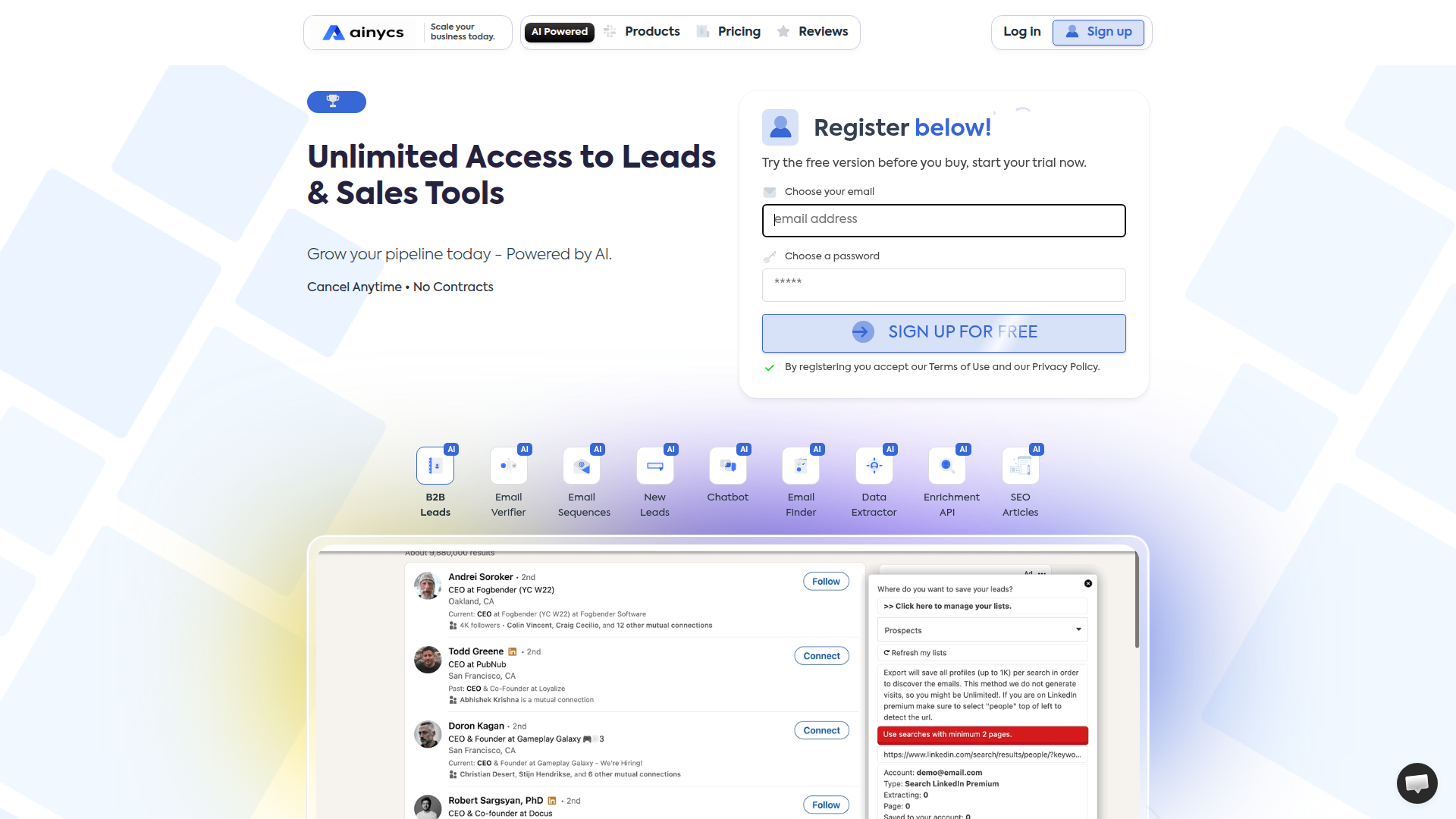
Enhance your lead generation strategy with Ainycs, the AI-powered software suite that revolutionizes how businesses acquire and manage leads. With tools like an advanced B2B leads extractor and customizable email sequences, Ainycs streamlines your email marketing efforts and ensures you reach the right audience effectively. Experience the power of AI in optimizing your sales process and driving growth with Ainycs. Discover more at Ainycs today!
FAQ
- What is an email sequence and why is it important for lead generation?
An email sequence is a series of automated emails designed to achieve specific objectives like onboarding or nurturing leads. They are crucial for lead generation as they automate and personalize communication, significantly increasing open and click rates compared to regular campaigns. - How do you determine the goals for your email sequence?
Establish clear objectives for your email sequence by deciding whether you aim to nurture leads, onboard customers, or increase brand awareness. Defining these goals helps tailor your content to meet specific needs and improve engagement effectively. - What triggers should you set for an email sequence?
Identify specific actions that will trigger your email sequence, such as signing up for a newsletter or making a purchase. These triggers ensure your emails reach the right audience at the most opportune times, enhancing engagement and conversion rates. - How can you plan your email content and sequence structure effectively?
Outline the emails you intend to send and their specific content by identifying the goals of each email in your sequence. Each email should serve a distinct purpose, whether to educate, engage, or convert, leading the recipient closer to your desired outcome. - What role do delays and conditions play in email sequences?
Delays and conditional rules optimize engagement by ensuring messages are delivered at strategic times. Delays prevent overwhelming your leads, while conditions tailor the sequence based on user interactions, enhancing the relevance and effectiveness of your communications. - Why is testing your email sequence before launching important?
Testing ensures the functionality and effectiveness of your email sequence, verifying that each email is triggered correctly. This step is crucial as automated emails typically outperform regular campaigns, and testing helps maximize these higher open and click rates. - Can you provide examples of effective email sequences?
Effective email sequences include welcome sequences that introduce new subscribers to your brand and nurture sequences that engage and educate leads. These sequences are designed to build relationships, set expectations, and provide value, ultimately enhancing conversion rates. - What are common mistakes to avoid when setting up email sequences?
Avoid overwhelming your audience with too many emails, which can lead to higher unsubscribe rates and decreased engagement. Balance is key; space out your emails appropriately to maintain interest and leverage the higher open and click rates of automated emails. - How do you measure the success of your email sequences?
Define and track specific metrics such as open rates, click-through rates, and conversion rates. These metrics help evaluate the performance of your email sequences, indicating how well your subject lines, content, and calls to action are resonating with recipients. - What are the benefits of using dynamic email sequences over static ones?
Dynamic email sequences adapt based on user interactions, providing personalized content that aligns with individual preferences. This adaptability enhances the relevance of communications, improving engagement and conversion rates by delivering personalized experiences that resonate with recipients.