



- 29th Oct '26
- Ainycs
- 25 minutes read
9 Best Practices for Email List Building in 2026
In the rapidly evolving digital landscape of 2026, mastering the art of email list building is crucial for businesses aiming to enhance their marketing strategies and drive sales growth. This article delves into nine essential practices that can transform your email marketing efforts, from utilizing powerful software like Brevo to optimizing the frequency of your campaigns. You'll discover the importance of making it easy for subscribers to opt out, the benefits of reengaging inactive contacts, and the impact of a well-crafted welcome sequence. Furthermore, the article explores advanced segmentation techniques that enable more personalized communication, the value of offering gated content, and the necessity of complying with email regulations. By understanding these strategies, you'll be equipped to build a responsive and legally compliant email list, ultimately achieving better engagement and a higher return on investment.
1. Brevo: Essential Email Marketing Software
Effective Email List Management with Brevo
Utilizing the right email marketing software is crucial for growing and managing email lists effectively over time. Brevo is a prime example of a platform that offers robust tools tailored for this purpose. With Brevo, users can leverage core features such as signup forms and a Drag & Drop email builder, which are essential for creating engaging and personalized email campaigns. These features not only streamline the process of list building but also ensure that your emails resonate with your audience.
One of the standout aspects of Brevo is its integration capabilities. By allowing up to 100,000 contacts to be easily synced with its native CRM, Brevo ensures that businesses can keep track of customer information, preferences, and behaviors. This integration is vital for creating targeted marketing strategies that can enhance engagement and conversion rates.
Core Features of Brevo
Brevo provides a comprehensive suite of tools that are essential for any business looking to optimize its email marketing efforts. The platform's ability to integrate seamlessly with other digital marketing channels, such as SMS and chat, offers a multi-channel approach that maximizes reach and effectiveness. This interconnectedness is particularly beneficial for businesses aiming to maintain consistent communication across various platforms.
Moreover, Brevo's focus on consent-based email lists ensures compliance with data protection regulations, which is a critical aspect of modern email marketing. By emphasizing the importance of obtaining explicit consent from subscribers, Brevo helps businesses build trust and maintain a positive brand reputation.
| Feature | Benefit |
|---|---|
| Signup Forms | Facilitates easy collection of email addresses |
| Drag & Drop Email Builder | Enables creation of customized and engaging emails |
| CRM Integration | Allows for detailed tracking of customer interactions |
- Utilize Brevo's Drag & Drop email builder for creating personalized campaigns.
- Sync contacts with Brevo's CRM for comprehensive customer insights.
- Integrate with other digital channels to enhance marketing reach.
- Consent-based list building
- Multi-channel integration
- Comprehensive CRM capabilities
For more information on how Brevo can enhance your email marketing strategy, visit their detailed guide on email list building.
2. Best Practice #2: Optimize Email Campaign Frequency
Consistent Sending Volumes Maintain ISP Reputation
Maintaining a consistent email sending volume is crucial for preserving a good reputation with Internet Service Providers (ISPs). When emails are sent at irregular intervals or in large bursts, it can trigger spam filters and negatively impact deliverability rates. By adhering to a steady schedule, businesses can ensure their messages reach the intended inboxes rather than being relegated to spam folders. This consistency not only fosters trust with ISPs but also improves the overall effectiveness of email campaigns.
For instance, companies that adjust their sending patterns based on subscriber engagement often see enhanced open and click-through rates. AI-driven tools can help by analyzing subscriber behavior to predict optimal send times, ensuring emails are delivered when recipients are most likely to engage. Such strategies not only maintain ISP reputation but also enhance subscriber satisfaction.
Consent-Based Lists Enhance Engagement
An email list should be consent-based, ensuring that recipients have willingly opted in to receive communications. This approach not only complies with legal requirements but also guarantees that the audience is genuinely interested in the content. A consent-based list is more receptive, leading to higher engagement rates and fewer unsubscribes. It is essential to make the signup process straightforward and transparent, clearly outlining what subscribers can expect.
Segmentation is another key factor in optimizing email frequency. By dividing the email list into segments based on subscriber preferences and behaviors, businesses can tailor their messaging and frequency to suit different audience needs. This targeted approach not only improves engagement but also helps in growing the list as satisfied subscribers are more likely to recommend the service to others.
Table: Email Campaign Frequency Optimization
| Factor | Recommendation |
|---|---|
| Sending Volume | Maintain consistent volumes to avoid spam filters |
| Consent-Based List | Ensure all recipients have opted in |
| Segmentation | Segment lists for tailored messaging |
Benefits of Strategic Frequency Management
Strategically managing email campaign frequency offers numerous benefits. By allowing subscribers to select their preferred frequency, businesses can reduce unsubscribe rates and increase engagement. For example, companies like Proffsmagasinet have successfully doubled their conversion rates by sending fewer but more targeted emails. This approach ensures that emails stand out in crowded inboxes, leading to higher open rates and ultimately, more conversions.
Additionally, leveraging AI technology to determine the best send times based on subscriber behavior can further enhance these results. This data-driven approach not only optimizes engagement but also maximizes the return on investment by ensuring that every email sent has the highest potential for impact.
- Maintain consistent sending volumes to build ISP trust.
- Use consent-based lists for higher engagement.
- Segment lists to tailor messaging and frequency.
Maintaining an appropriate email campaign frequency is essential, but equally important is ensuring that your subscribers have the option to easily unsubscribe if they choose to do so.
3. Best Practice #3: Make It Easy To Unsubscribe
Importance of a Consent-Based Email List
Building a successful email list requires a focus on consent. A consent-based email list ensures that subscribers are genuinely interested in your content, which leads to higher engagement rates. This approach not only respects subscriber preferences but also facilitates easier segmentation and growth. By prioritizing consent, businesses can create more targeted and effective email campaigns that resonate with their audience.
Moreover, a consent-based list is crucial for complying with various international regulations, such as the GDPR and the CAN-SPAM Act. These laws mandate that subscribers must have the option to unsubscribe easily, reinforcing the importance of maintaining a list that is both receptive and compliant.
Streamlining the Unsubscribe Process
Making the unsubscribe process straightforward is essential for maintaining a healthy email list. A prominent unsubscribe link, typically placed in the email header or footer, is a fundamental requirement. This practice not only complies with legal standards but also helps prevent recipients from marking emails as spam, which can damage your sender reputation.
Offering subscribers an option to update their email preferences, such as adjusting the frequency of emails, can also be beneficial. This approach allows users to tailor their interaction with your content, potentially reducing the number of unsubscribes. Additionally, including a simple survey to understand why subscribers are opting out can provide valuable insights for improving future campaigns.
Comparing Tools for Effective List Management
Several tools can assist in managing email lists effectively, ensuring compliance and enhancing user experience. For example, Mailchimp offers a user-friendly interface and robust analytics to help you monitor list growth and engagement. Its pricing is unclear, but it is known for scalability and extensive integration options. Another option, Constant Contact, provides easy-to-use templates and reliable customer support, although it may not offer as many advanced features as some competitors.
When choosing a tool, consider factors such as integration capabilities, ease of use, and the specific needs of your business. By leveraging the right tools, businesses can efficiently manage their email lists, ensuring they remain consent-based and receptive to content.
For more insights on optimizing your email marketing efforts, explore our 3 Best Email Sequences For Lead Generation A Comprehensive Step By Step Guide.
| Tool | Pros | Cons |
|---|---|---|
| Mailchimp | Scalable, extensive integrations | Pricing unclear |
| Constant Contact | Easy templates, good support | Fewer advanced features |
- Make the unsubscribe link prominent — either in the header or footer.
- Offer a second link to update email preferences.
- Use a single opt-out option — avoid double opt-in for unsubscribing.
- Survey unsubscribers to gather feedback.

As you refine your email list, it’s essential to consider how to effectively manage inactive subscribers, ensuring your audience remains engaged and relevant.
4. Best Practice #4: Reengage or Cull Inactive Subscribers
Why Consent-Based and Receptive Lists Matter
Building an effective email list requires a focus on consent and receptivity. A consent-based list ensures that subscribers have willingly opted in, which typically results in higher engagement rates. When subscribers are genuinely interested in your content, they are more likely to open, read, and act on your emails. This receptivity is crucial for maintaining a healthy and active list, reducing the likelihood of your emails being marked as spam.
Moreover, a list that is simple to segment allows for more personalized communication. Segmenting your audience based on interests, behaviors, or demographics enables you to send targeted messages that resonate with each group. This approach not only enhances engagement but also fosters a stronger connection with your audience, ultimately leading to an increase in list size and effectiveness over time.
Reengagement Strategies and When to Cull
Inactive subscribers can dilute the effectiveness of your email campaigns, making it essential to either reengage or remove them. Reengagement campaigns are a strategic way to rekindle interest among dormant subscribers. Techniques such as interactive emails with polls, offering incentives like coupons, or personalized product recommendations can effectively capture attention. For example, using incentives can encourage subscribers to explore new offerings, potentially boosting engagement and sales.
However, if reengagement efforts prove unsuccessful, it may be time to consider culling inactive subscribers. Sending a final email asking them to confirm their interest can serve as a last attempt to retain them. Those who do not respond should be removed from your list. This practice helps maintain a clean and engaged subscriber base, ensuring that your email marketing efforts are not wasted on uninterested recipients.
Comparing Tools for Effective List Management
Several tools can assist in managing your email list effectively. For instance, Mailchimp offers powerful segmentation and automation features, which are ideal for executing reengagement campaigns. Pricing for Mailchimp varies based on the size of your list and the features you require. Another option is Constant Contact, known for its user-friendly interface and robust customer support, making it a great choice for businesses new to email marketing.
Each tool has its pros and cons. Mailchimp’s extensive integrations and advanced analytics are beneficial for data-driven campaigns, but its complexity might be overwhelming for beginners. On the other hand, Constant Contact provides a more straightforward experience but might lack some of the advanced features that more experienced marketers seek. Choosing the right tool depends on your specific needs, budget, and technical expertise. For further insights on creating targeted email lists, visit our 5 Best Ways To Create Targeted Email Lists For Outreach Campaigns In 2026.
| Tool | Pros | Cons | Pricing |
|---|---|---|---|
| Mailchimp | Advanced analytics, extensive integrations | Complex for beginners | Varies by list size/features |
| Constant Contact | User-friendly, excellent support | Lacks advanced features | Pricing unclear |
As you refine your email list by reengaging or removing inactive subscribers, it's equally important to focus on how you welcome new subscribers to enhance their initial experience.
5. Best Practice #5: Create a Great Welcome Email Sequence
Why Welcome Emails Are Essential
Welcome emails are pivotal in establishing a strong connection with new subscribers. They are among the most-opened emails because recipients anticipate them after signing up. This anticipation provides an excellent opportunity to engage and set the tone for future interactions. Automated welcome emails can secure 4-10 times the clicks compared to other types of emails, making them a crucial component of any email marketing strategy.
To maximize the impact of your welcome emails, it's essential to include elements that resonate with subscribers. Start by thanking them for joining your list and encouraging them to add your domain to their "safe sender" list. This ensures that your future communications are not lost in spam folders, maintaining a high deliverability rate.
Crafting a Consent-Based and Engaging Sequence
Building a consent-based email list is fundamental to ensuring that your audience is genuinely interested in your content. This approach not only complies with privacy regulations but also enhances engagement rates, as subscribers are more likely to interact with content they have opted into. Your welcome email sequence should reflect this by being personalized and relevant to the recipient's interests.
Incorporating incentives, such as a welcome gift or a discount coupon, can further enhance the appeal of your welcome emails. Directing subscribers to useful content, such as help guides or community forums, can also foster a sense of belonging and encourage continued interaction. Encouraging subscribers to share the welcome email with friends can help organically grow your list, leveraging the power of word-of-mouth marketing.
Key Elements of a Successful Welcome Email Sequence
To create an effective welcome email sequence, focus on several key elements. Firstly, ensure that each email is clear and concise, providing value to the reader. Use a friendly and approachable tone to build rapport and trust. Secondly, segment your email list to tailor the content based on subscriber preferences and behaviors. This personalization can significantly improve engagement rates and overall campaign success.
Finally, monitor the performance of your welcome emails by tracking metrics such as open rates, click-through rates, and conversions. This data will help you refine your strategy and make necessary adjustments to optimize future campaigns. By focusing on these elements, you can create a welcome email sequence that not only enhances subscriber engagement but also contributes to the growth and success of your email marketing efforts.
For more insights on effective email list management, consider exploring Email List Management Best Practices.
| Element | Purpose |
|---|---|
| Thank You Message | Builds rapport and appreciation |
| Safe Sender Request | Improves deliverability |
| Incentive Offer | Encourages engagement |
| Content Direction | Provides value and guidance |
| Sharing Encouragement | Expands reach organically |
As you refine your welcome email sequence, consider how subscriber segmentation can enhance your communication strategy and ensure that your messages resonate with different audience groups.
6. Best Practice #6: Implement Subscriber Segmentation
Enhanced Segmentation Opportunities Lead to Better-Targeted Campaigns
Subscriber segmentation is a powerful tool that allows businesses to tailor their email marketing efforts to specific groups within their audience. By understanding the unique preferences and behaviors of different segments, marketers can create personalized content that resonates more effectively with each group. This targeted approach not only improves engagement rates but also increases conversion opportunities. For instance, personalized emails have been shown to produce six times higher transaction rates, underscoring the importance of segmentation in driving sales.
AI technology further enhances segmentation strategies by providing deeper insights into customer behavior. With AI, businesses can analyze data to identify patterns and preferences, enabling them to craft campaigns that address the specific needs of each segment. This level of personalization can lead to a 760% increase in revenue from segmented campaigns, demonstrating the substantial impact of well-implemented segmentation techniques.
An Email List Should Be Consent-Based and Simple to Segment
Building an effective email list starts with ensuring it is consent-based, meaning subscribers have willingly opted in to receive communications. This not only complies with legal standards but also ensures that the audience is genuinely interested in the content, leading to higher engagement rates. A consent-based list is more receptive to marketing efforts, as subscribers are already inclined to interact with the brand.
Moreover, a well-structured email list should be easy to segment. This involves organizing subscribers based on various criteria such as demographics, purchase history, or engagement levels. By making segmentation straightforward, businesses can efficiently target specific groups with relevant messages, enhancing the overall effectiveness of their email campaigns. As a result, the list continues to grow in size and quality, supporting long-term marketing success.
| Segmentation Criteria | Benefits |
|---|---|
| Demographics | Allows for age and location-specific promotions |
| Purchase History | Enables personalized product recommendations |
| Engagement Levels | Targets active users with exclusive offers |
Implementing subscriber segmentation is a critical component of the best practices for email list building. By focusing on consent-based lists and utilizing AI-driven insights, businesses can create highly personalized and effective email campaigns that drive engagement and revenue growth.
Effective subscriber segmentation can enhance your email marketing efforts, making it a natural progression to explore how creating bonus or gated content can further incentivise sign-ups and engagement.
7. Best Practice #7: Create Bonus or Gated Content
Creating Compelling Incentives for List Building
One of the most effective strategies for growing an email list is offering bonus or gated content. This approach involves providing valuable resources, such as ebooks, whitepapers, or exclusive reports, in exchange for a visitor's email address. By doing so, businesses can create a compelling incentive for potential subscribers, ensuring that the email list is not only consent-based but also filled with individuals genuinely interested in the content provided.
For instance, offering an industry report that provides insights not readily available elsewhere can attract professionals looking to stay ahead in their field. This strategy not only increases subscriber numbers but also enhances engagement, as recipients are more likely to open emails and interact with content that aligns with their interests.
Ensuring a Consent-Based and Receptive Email List
Building an email list that is consent-based and receptive to your content is crucial for successful email marketing. Gated content naturally encourages this, as subscribers willingly provide their email addresses in exchange for valuable information. This process not only respects privacy and compliance regulations but also ensures that the list comprises individuals who are likely to engage with future communications.
Moreover, a well-segmented email list allows for targeted content delivery, increasing the likelihood of engagement. By tracking subscriber interactions with gated content, businesses can gain insights into preferences and tailor future emails accordingly. This personalization can significantly boost engagement rates, as demonstrated by companies that have seen substantial increases in revenue through personalized email marketing strategies.
Top Tips for Effective Gated Content Strategies
- Offer exclusive downloadable resources like ebooks or industry reports.
- Create member-only content areas with premium insights.
- Develop email-specific content that can’t be found elsewhere.
- Use behavioral data to deliver personalized content recommendations.
- Implement progressive profiling to gather more subscriber insights over time.
By implementing these strategies, businesses can effectively grow their email lists while ensuring that subscribers are both interested and engaged. This approach not only enhances list quality but also maximizes the return on investment from email marketing efforts.

8. Compliance Protection: Understanding Email Regulations
Consent-Based Email Lists: A Legal Necessity
Building an email list that is consent-based is not just a best practice; it's a legal requirement under regulations such as GDPR and CAN-SPAM. These laws are designed to protect consumer privacy and ensure that individuals are not bombarded with unsolicited emails. Purchasing email lists can lead to significant legal repercussions, as it often involves acquiring addresses without explicit consent. Instead, focus on collecting emails through transparent, opt-in methods that respect user preferences and privacy.
To comply with these regulations, ensure that your email lists are comprised of individuals who have willingly subscribed to receive your content. This not only protects your business from potential legal issues but also increases the likelihood that your audience is genuinely interested in your communications, enhancing engagement and conversion rates.
Characteristics of a Compliant Email List
A compliant email list should be more than just legally sound; it should also be strategically built to maximize effectiveness. This involves ensuring that your list is receptive to your content, simple to segment, and consistently growing. By focusing on these aspects, you can enhance your email marketing efforts and ensure that your campaigns reach the right audience.
Key characteristics of a well-managed email list include:
- Subscribers who have explicitly opted in to receive communications.
- Regular updates to keep the list fresh and relevant.
- Easy segmentation to tailor messages to specific audience needs.
By adhering to these best practices for email list building, you not only comply with legal standards but also foster trust and engagement with your audience, ultimately contributing to the success of your email marketing strategy.
9. Enhanced Segmentation Opportunities: The Key to Targeted Campaigns
Using Segmentation to Improve Engagement Rates
Segmentation is a crucial element in email marketing that allows businesses to tailor their messages to specific audience segments. By dividing an email list into smaller, more targeted groups, companies can significantly enhance engagement rates. This approach ensures that recipients receive content that is relevant to their interests and needs, leading to higher open and click-through rates. For instance, a study found that segmented campaigns can generate up to 760% more revenue compared to non-segmented ones. As part of the best practices for email list building, focusing on segmentation can directly improve the effectiveness of your campaigns.
Effective segmentation relies on quality data. When your email list is consent-based and receptive to your content, it becomes simpler to segment. This not only increases the accuracy of your targeting but also enhances the relevance of your messaging. By maintaining a dynamic and growing list, businesses can continuously refine their segmentation strategies to meet evolving customer preferences.
Building a Consent-Based and Receptive Email List
For successful segmentation, it's essential to build a list that is both consent-based and receptive to your content. Consent-based lists ensure that subscribers have willingly opted in to receive communications, which is crucial for maintaining engagement and reducing complaint rates. This approach also aligns with compliance regulations, protecting your brand from potential legal issues.
Moreover, a receptive audience is more likely to engage with your content, providing valuable insights into their preferences and behaviors. To achieve this, businesses should focus on strategic placement of signup forms and offering incentives to encourage sign-ups. This strategy not only helps in acquiring new subscribers but also ensures that the list is continuously expanding, allowing for more granular segmentation opportunities.
In conclusion, leveraging enhanced segmentation opportunities is a vital component of email marketing success. By focusing on consent-based, receptive, and easily segmentable lists, businesses can create highly targeted campaigns that resonate with their audience. For more insights on building an effective email list, explore additional strategies to enhance your approach.
| Segmentation Criteria | Benefits |
|---|---|
| Demographic | Tailored content for specific age, gender, or location |
| Behavioral | Personalized messages based on past interactions |
| Engagement Level | Targeted re-engagement campaigns |
- Identify key segments within your audience.
- Develop personalized content strategies for each segment.
- Regularly review and update segmentation criteria based on new data.
- Consent-based lists enhance engagement.
- Receptive audiences provide better data for segmentation.
- Continuous growth allows for refined targeting strategies.
Better ROI and Cost Efficiency: The Value of Email Lists
Email Marketing Offers Unmatched ROI
Email marketing is renowned for delivering a high return on investment compared to other marketing channels. Typically, businesses can expect to see returns ranging from $36 to $42 for every dollar spent. This impressive ROI is achieved by focusing on engaged subscribers who are genuinely interested in your content. By maintaining a consent-based email list, you ensure that your audience is receptive, which directly translates into better engagement and conversion rates.
Moreover, email marketing allows for precise targeting, enabling businesses to tailor their messages to specific segments. This level of personalization not only enhances customer satisfaction but also boosts the likelihood of achieving desired outcomes, such as increased sales or higher click-through rates.
Building a Consent-Based, Receptive Email List
To maximize the benefits of email marketing, it's crucial to build an email list that is consent-based and receptive to your content. This means obtaining explicit permission from subscribers to receive your emails, which helps in maintaining a list of engaged contacts. A well-maintained list is simple to segment, allowing for more targeted and effective campaigns.
Growing your email list should be a continuous effort, ensuring that it is always increasing in size with quality leads. This can be achieved through strategic placement of signup forms and offering incentives to encourage sign-ups. By focusing on quality over quantity, you can reduce sending costs and improve overall campaign performance, ensuring a cost-efficient approach to marketing.
| Factor | Impact on ROI |
|---|---|
| Consent-Based List | Higher engagement and conversion rates |
| Segmented Targeting | Improved personalization and customer satisfaction |
| List Growth Strategies | Continuous increase in quality leads |
Conclusion
In 2026, mastering email list building is more critical than ever, and this article has outlined the essential practices that can elevate your marketing strategy to new heights. From leveraging robust tools like Brevo for effective email management to ensuring compliance with stringent email regulations, each practice contributes to building a responsive and legally compliant email list. Optimizing email campaign frequency is key to maintaining a good ISP reputation, while making it easy for subscribers to unsubscribe respects their preferences and reduces spam complaints. Reengaging or culling inactive subscribers ensures your list remains active and engaged, and a well-crafted welcome email sequence can significantly enhance subscriber interaction. Implementing subscriber segmentation allows for more personalized communication, leading to better engagement and conversion opportunities. Offering gated content is a compelling incentive for potential subscribers, ensuring your list is filled with genuinely interested individuals. With these strategies, businesses can achieve a higher return on investment, as email marketing continues to offer unmatched cost efficiency. As a next step, focus on integrating these practices into your current email marketing strategy to build a more effective and engaging email list.
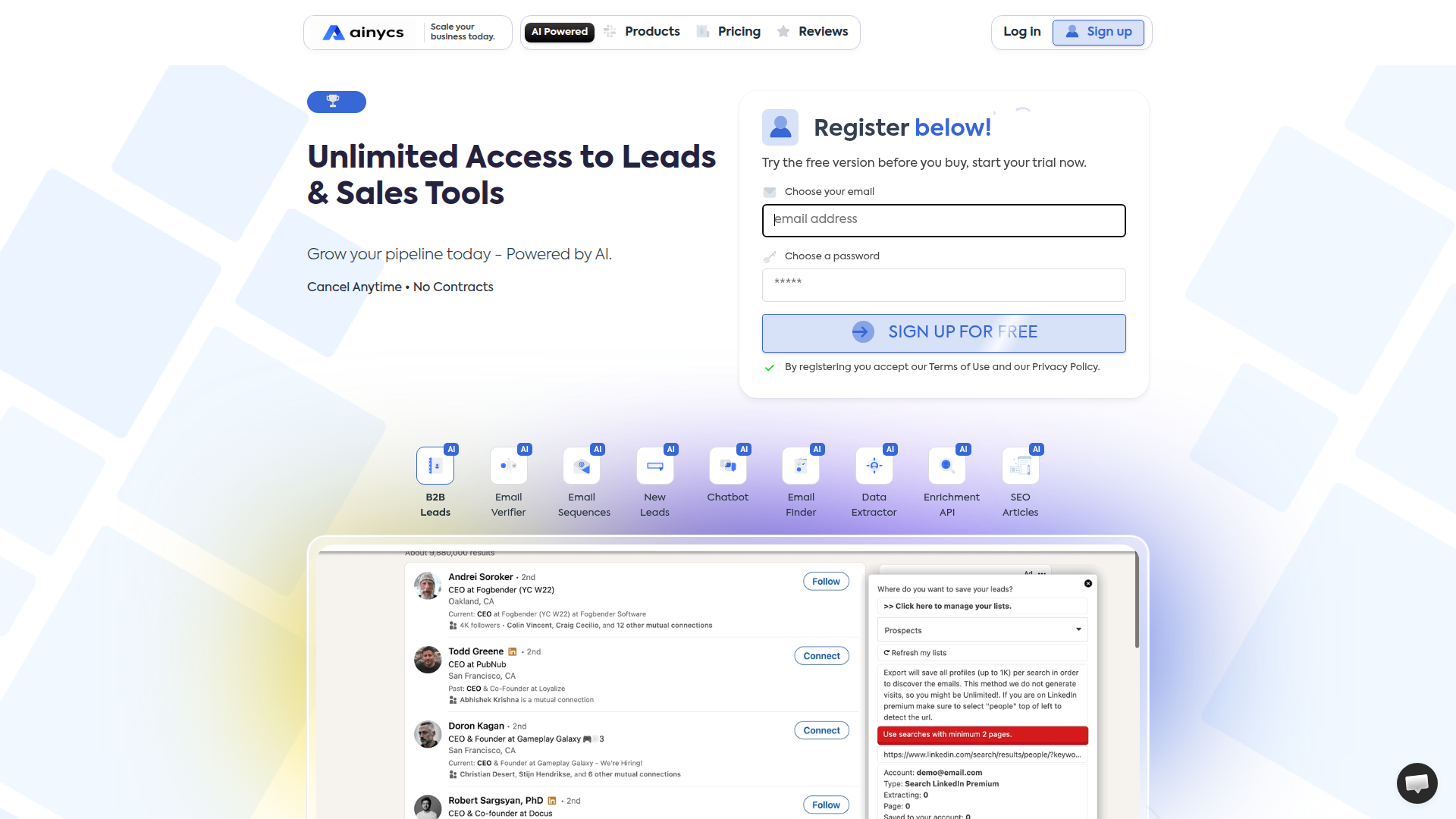
In the ever-evolving landscape of email marketing, Ainycs stands out as a game-changer with its AI-powered software suite. Designed to streamline lead generation and optimize email campaigns, Ainycs provides businesses with tools like a B2B leads extractor and customizable email sequences. By offering access to daily updates on newly registered domains, Ainycs ensures that your business never misses a fresh lead, making it an indispensable resource for driving sales growth. Discover more with Ainycs today.
FAQ
- What is the role of Brevo in email list building?
Brevo is an essential email marketing software that provides robust tools for effective list management. It offers features like signup forms and a Drag & Drop email builder, which help create engaging campaigns. Brevo's integration capabilities with CRM systems allow businesses to track customer interactions and preferences, enhancing targeted marketing strategies. - Why is optimizing email campaign frequency important?
Optimizing email campaign frequency is crucial for maintaining a good reputation with Internet Service Providers (ISPs). Consistent sending volumes help avoid spam filters, ensuring emails reach the intended inboxes. By using AI-driven tools to analyze subscriber behavior, businesses can predict optimal send times, enhancing engagement rates and subscriber satisfaction. - How does making it easy to unsubscribe benefit your email list?
Making it easy to unsubscribe is vital for maintaining a healthy, consent-based email list. It ensures compliance with regulations like GDPR and CAN-SPAM and prevents emails from being marked as spam. Providing a straightforward unsubscribe process respects subscriber preferences and can reduce unsubscribe rates by offering options to adjust email preferences. - What are the benefits of reengaging or culling inactive subscribers?
Reengaging inactive subscribers can rekindle interest and improve engagement rates. Strategies like interactive emails and incentives can capture attention. If reengagement fails, culling inactive subscribers maintains a clean list, ensuring marketing efforts focus on genuinely interested recipients, ultimately enhancing list effectiveness. - Why is a welcome email sequence crucial in email marketing?
A great welcome email sequence is essential as it establishes a strong connection with new subscribers. These emails are highly anticipated and often have higher open rates, providing an opportunity to set the tone for future interactions. Automated welcome sequences can significantly increase click rates, making them a pivotal component of email marketing strategies. - How does subscriber segmentation improve email marketing campaigns?
Subscriber segmentation allows businesses to tailor their email marketing efforts to specific audience groups, enhancing personalization. By understanding unique preferences and behaviors, marketers can create content that resonates more effectively, improving engagement rates and conversion opportunities. This targeted approach ensures recipients receive relevant content, boosting overall campaign success. - What is the purpose of offering bonus or gated content?
Offering bonus or gated content is an effective strategy for growing an email list by providing valuable resources in exchange for email addresses. This approach creates a compelling incentive for potential subscribers, ensuring the list is filled with genuinely interested individuals. It helps build a consent-based list that enhances engagement and list quality. - Why is compliance with email regulations necessary?
Compliance with email regulations like GDPR and CAN-SPAM is essential to protect consumer privacy and avoid legal repercussions. Building a consent-based email list ensures that subscribers have willingly opted in, which is a legal necessity. This approach not only respects subscriber preferences but also helps maintain a positive brand reputation. - How does enhanced segmentation lead to better-targeted campaigns?
Enhanced segmentation allows businesses to divide their email list into smaller, targeted groups, significantly improving engagement rates. By delivering content relevant to each segment's interests and needs, companies can increase open and click-through rates. This approach ensures that marketing messages resonate with recipients, leading to more successful campaigns. - What makes email marketing a cost-efficient strategy?
Email marketing offers unmatched return on investment, with businesses typically seeing returns ranging from $36 to $42 for every dollar spent. By focusing on engaged subscribers who are genuinely interested in the content, businesses can achieve better engagement and conversion rates. Maintaining a consent-based list ensures a receptive audience, maximizing marketing efficiency.