


- Ainycs
- /
- Blog
- /
- How to Use an Email Verifier to Improve Your Email Lists and Maintain Deliverability

- 26th Oct '26
- Ainycs
- 25 minutes read
How to Use an Email Verifier to Improve Your Email Lists and Maintain Deliverability
In today's competitive business landscape, maintaining a clean and effective email list is crucial for successful marketing campaigns. This guide explores the essential process of email verification, a key strategy for ensuring your communications reach genuine and engaged contacts. You'll learn about the importance of verifying email addresses to avoid wasted marketing efforts and protect your sender reputation. We delve into identifying problematic emails, choosing the right verification methods, and implementing both manual and automated techniques. Additionally, we cover best practices for maintaining clean lists, the importance of regular verification, and compliance considerations. By understanding and applying these strategies, you can enhance your email deliverability and optimize your marketing efforts, ultimately driving better engagement and sales growth.
Understanding Email Verification and Its Importance
Email Verification: A Key Process for List Management
Email verification is a crucial process for businesses aiming to maintain clean and effective email lists. By systematically identifying and removing invalid or problematic email addresses, companies can ensure that their marketing efforts are directed towards genuine and reachable contacts. This process involves using specialized tools to check the validity of email addresses, thereby enhancing the overall quality of the email list.
Implementing email verification helps businesses avoid the pitfalls of sending emails to non-existent or incorrect addresses, which can negatively impact their sender reputation. A poor sender reputation can lead to emails being marked as spam, reducing the chances of reaching the intended audience. Thus, email verification is not just a one-time task but a continuous practice essential for successful email marketing.
The Cost of Ignoring Email Verification
Neglecting to verify email lists can result in significant financial and opportunity losses. Unverified lists often contain numerous invalid addresses, leading to a high bounce rate. This not only wastes marketing dollars but also reduces the effectiveness of email campaigns. High bounce rates can trigger spam filters, further diminishing the reach and impact of marketing messages.
Moreover, missing out on potential leads due to unverified lists can be detrimental to business growth. By ensuring that email lists are regularly verified, companies can maximize their marketing investments and improve engagement rates. For more insights into the importance of email verification, explore the detailed guide on improving email marketing with verification.
Core Reasons to Verify Your Email Lists
There are several compelling reasons to prioritize email verification in your marketing strategy:
- Improved Deliverability: Verified lists ensure that emails reach actual inboxes, enhancing deliverability rates.
- Cost Efficiency: By targeting valid addresses, businesses can optimize their marketing budget and reduce waste.
- Enhanced Reputation: Maintaining a clean list helps preserve a positive sender reputation, crucial for avoiding spam filters.
By understanding and implementing email verification, businesses can significantly improve the effectiveness of their email marketing campaigns, ensuring that their messages reach the right audience and achieve the desired outcomes.
Recognising the Consequences of Not Verifying Email Lists
Wasted Marketing Dollars and Missed Opportunities
Failing to verify email lists can significantly impact your marketing budget and overall campaign effectiveness. When emails are sent to invalid addresses, it results in higher bounce rates, which can damage your sender reputation. This, in turn, can lead to emails being blocked or sent to spam folders, reducing the likelihood of reaching your target audience. Consequently, marketing dollars are wasted on campaigns that fail to engage the intended recipients, resulting in missed opportunities for conversions and sales.
Moreover, maintaining a clean email list is crucial for maximizing the effectiveness of your email marketing efforts. By ensuring that your list is up to date and free of invalid addresses, you can improve deliverability rates and enhance engagement with your audience. This proactive approach prevents unnecessary expenditure and optimizes the return on investment for your marketing campaigns.
Impact of Disposable Email Addresses (DEAs)
Disposable email addresses (DEAs) are commonly used by individuals to keep their primary inboxes free from spam. While this may serve the user's purpose, it poses a challenge for businesses aiming to build genuine connections with their audience. DEAs can lead to inaccurate data collection and skewed engagement metrics, as these addresses are often abandoned shortly after use.
To mitigate the impact of DEAs on your email marketing strategy, it's essential to employ verification tools that can identify and filter out these temporary addresses. This ensures that your communications reach valid, engaged recipients, thereby enhancing the quality of your email list and the effectiveness of your campaigns.
Verification Accuracy and Data Reliability
In the realm of email verification, accuracy is paramount. For instance, one prominent tool achieved an overall accuracy of 70% in verifying email addresses. This level of precision is derived from testing a benchmark dataset of 2,700 real email addresses collected from outreach campaigns. Such accuracy highlights the importance of choosing reliable verification solutions to maintain data integrity.
Leveraging accurate verification tools is crucial when learning how to use an email verifier to improve email lists. By ensuring the validity of each address, businesses can enhance their engagement metrics and drive more successful email marketing outcomes.
Identifying Problematic Email Addresses
A High Bounce Rate Signals Issues
A high bounce rate is a significant red flag to Email Service Providers (ESPs), which can lead to restricted email deliverability. When emails are sent to invalid addresses, they bounce back, indicating to ESPs that your list may not be well-maintained. This can result in your emails being blocked or sent directly to spam folders, which severely impacts your marketing efforts. By identifying and removing problematic email addresses, you can maintain a healthy bounce rate, ensuring that your messages reach the intended recipients.
Understanding Email Verification Results
The email verification process categorizes addresses into four main types: Valid, Invalid, Accept-All, and Unknown. Valid addresses are those that can successfully receive emails, while Invalid addresses cannot. Accept-All addresses are those where the domain accepts all emails, making it difficult to verify individual addresses. Unknown addresses are those that cannot be verified due to temporary issues or restrictions. By understanding these categories, you can better manage your email lists and focus your efforts on maintaining a list of Valid addresses.
Benefits of a Verified Email List
A verified email list ensures that every address is active and capable of landing in an inbox, significantly reducing bounce rates and enhancing your email reputation. This not only improves deliverability but also boosts engagement rates, as emails are sent to valid addresses that are more likely to interact with your content. By learning how to use an email verifier to improve email lists, businesses can optimize their marketing campaigns and achieve better results.
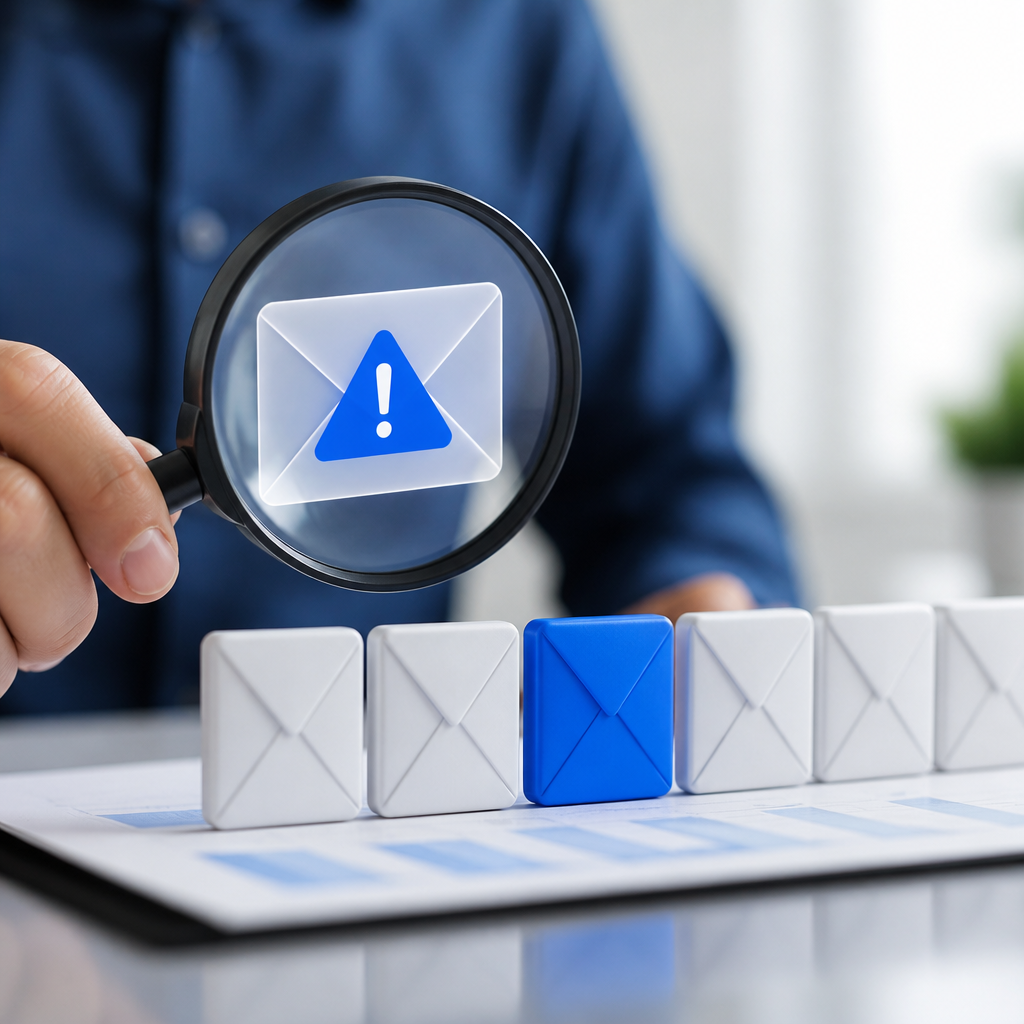
Choosing the Right Email Verification Method
Verifying Domains for Business Legitimacy
One crucial step in email verification is confirming the legitimacy of the domains associated with your leads. By verifying domains, you can determine if an email address is linked to a legitimate business or organization. This process helps filter out suspicious or fraudulent email addresses, ensuring that your communication efforts are directed towards genuine contacts. Domain verification is particularly useful in B2B marketing, where establishing connections with real businesses is essential for successful outreach.
Utilizing Advanced Email Verification Tools
To enhance the accuracy of your email list, leveraging advanced verification tools is essential. For instance, Reeon Email claims a 99% accuracy rate by using domain verification and unique algorithms. Such tools are designed to minimize errors and provide reliable results, helping maintain a clean and effective email list. Additionally, Bulk Email Checker offers a comprehensive approach by testing email validity based on SMTP and checking against over 17 factors to ensure accuracy. These tools not only validate addresses but also help reduce the number of invalid and inactive emails.
Bulk and Real-Time Verification Services
Incorporating a service that offers both bulk and real-time email verification can significantly streamline your email marketing efforts. Bulk verification allows you to process large lists efficiently, while real-time verification ensures that new entries are immediately validated. This dual approach is vital for maintaining an up-to-date and accurate email list, ultimately enhancing your campaign's effectiveness. For businesses aiming to optimize their email marketing strategies, selecting a service that provides these functionalities is crucial.
By carefully choosing the right email verification method, businesses can improve their outreach efforts and ensure that their communications reach the intended audience. For more insights on how different tools work and which to choose, explore platforms focused on data enrichment tools.
Having chosen the right email verification method, you can now explore manual techniques that can further enhance the accuracy of your email lists.
Implementing Manual Email Verification Techniques
Regular Verification of Email Lists
To maintain the integrity and effectiveness of your email campaigns, it is crucial to verify your email lists regularly. We recommend conducting this process every three to six months. This practice helps prevent outdated addresses from negatively impacting your campaigns. Regular verification ensures that your communications reach active and engaged recipients, reducing bounce rates and improving overall deliverability.
By keeping your email lists up-to-date, you can also enhance your sender reputation, which is vital for avoiding spam filters and ensuring that your messages land in the intended inboxes. Additionally, frequent verification allows you to identify and remove invalid or inactive addresses, ultimately saving resources and improving the return on investment for your email marketing efforts.
Choosing a Trusted Verification Provider
When selecting a verification provider, it is essential to choose one that complies with regulations such as the GDPR and CCPA. These compliance measures are critical for protecting user data and maintaining trust with your audience. A trusted provider will offer robust security protocols and transparent data handling practices, ensuring that your email verification process aligns with legal requirements.
Look for providers that offer detailed reports on the verification results, allowing you to understand the types of problematic email addresses in your list. This information can help you make informed decisions about list management and future outreach strategies. For more on the importance of compliance and choosing the right provider, consider exploring platforms focused on data enrichment tools.
Core Points to Know
Implementing manual email verification techniques involves several key steps. First, identify the frequency of verification that best suits your campaign needs, typically every three to six months. Next, select a reliable verification provider that adheres to GDPR and CCPA standards. Finally, analyze the verification reports to gain insights into your email list's health and take action to address any issues.
By following these steps, you can ensure that your email marketing efforts are both effective and compliant. Regularly verified and well-maintained email lists lead to higher engagement rates and improved campaign performance, ultimately contributing to the success of your marketing strategy.
| Step | Action |
|---|---|
| Frequency | Verify every 3-6 months |
| Provider Selection | Choose GDPR and CCPA compliant providers |
| Analysis | Review verification reports for insights |
- Regular verification prevents outdated addresses.
- Choose providers that comply with data protection laws.
- Analyze reports to maintain list health.
Having explored manual verification techniques, it's essential to consider how automated services can enhance your email verification process, offering efficiency and scalability for your email lists.
Utilising Automated Email Verification Services
The Impact of Bad Emails on Your Reputation
Incorporating bad emails into your marketing campaigns can significantly increase bounce rates and complaint rates. These poor metrics can harm your reputation with email service providers, leading to your messages being flagged as spam. This not only diminishes the effectiveness of your current campaigns but also jeopardizes future email deliverability. By using automated email verification services, you can proactively identify and eliminate invalid or risky email addresses, thus preserving your sender reputation.
How Bulk Email Verification Tools Work
Bulk email verification tools are designed to streamline the process of cleaning your email lists. These tools allow you to upload entire lists and quickly determine which email addresses are valid, invalid, or potentially risky. This automated approach saves time compared to manual verification, providing swift and accurate results. Typically, these tools categorize emails into different statuses, enabling you to take appropriate action based on the verification outcome.
Core Benefits of Automated Verification
Automated email verification services offer several core benefits that enhance your email marketing strategy. Firstly, they help maintain a clean email list, which is crucial for ensuring high deliverability rates. Secondly, by reducing the number of bounced emails, you can achieve better engagement metrics, such as open and click-through rates. Finally, these services provide transparency in testing methodologies, allowing you to understand the types of problematic email addresses present in your lists.
| Verification Status | Description |
|---|---|
| Valid | Email address is active and can receive messages. |
| Invalid | Email address is not active or incorrectly formatted. |
| Risky | Email address may lead to bounces or complaints. |
To fully leverage these benefits, it is essential to integrate automated verification into your regular email marketing processes. This ensures that your campaigns are not only effective but also compliant with best practices. For more insights on enhancing your lead generation efforts using email tools, visit our guide on 5 Best Strategies To Improve Lead Generation Using Email Tools.
- Upload your email list to the verification tool.
- Analyze the results to identify valid, invalid, and risky emails.
- Remove or segment invalid and risky emails from your list.
Best Practices for Maintaining Clean Email Lists
Utilizing Real-Time Email Verification Tools
Real-time email verification tools are essential for maintaining a clean email list by ensuring that invalid emails are caught at the point of collection. These tools work by verifying email addresses as users enter them, preventing incorrect or fake addresses from being added to your database. This proactive approach helps reduce bounce rates and improves overall email deliverability. Implementing real-time verification is particularly beneficial for businesses that collect emails through online forms or sign-up pages, as it ensures only valid contacts are captured from the start.
When choosing a real-time verification tool, consider factors such as integration capabilities with your current CRM or email marketing platform, as well as the accuracy and speed of validation. Pricing for these tools can vary, so it’s important to assess your budget and the volume of emails you handle. While some tools offer pay-as-you-go models, others may provide subscription plans based on usage.
Leveraging Ongoing or Automated Verification Tools
Ongoing or automated verification tools play a crucial role in maintaining the health of your email list over time. These tools regularly scan your email database, identifying and flagging invalid or inactive addresses. By automating this process, you can ensure that your list remains clean without the need for constant manual oversight. This not only saves time but also helps maintain high engagement rates by ensuring your emails reach active and interested recipients.
When selecting an ongoing verification tool, look for features such as automated scheduling and comprehensive reporting. These features allow you to set regular intervals for verification and provide insights into your list’s health. While pricing for these tools is often subscription-based, the cost is typically justified by the improvement in email marketing performance and reduced bounce rates.
Core Points to Know
Maintaining a clean email list requires a combination of real-time and ongoing verification strategies. By integrating both approaches, you can effectively prevent invalid emails from entering your list and ensure that existing contacts remain active and valid. It’s also important to regularly review the performance of your verification tools to ensure they meet your evolving needs.
For businesses aiming to maximize the effectiveness of their email marketing campaigns, implementing these best practices is crucial. By doing so, you not only enhance deliverability but also improve engagement rates and the overall success of your marketing efforts. For further insights into effective email verification strategies, explore this bulk email verification guide.
| Verification Tool Type | Key Benefit | Considerations |
|---|---|---|
| Real-Time Verification | Prevents invalid emails at entry | Integration capabilities, speed |
| Ongoing Verification | Maintains list health over time | Automated scheduling, reporting features |
- Implement real-time validation to stop invalid emails from entering your list.
- Schedule regular scans to keep your database free of inactive addresses.
- Review tool performance periodically to ensure they meet your needs.

Regularly Scheduling Email Verification
Identifying Problematic Email Addresses
Regularly scheduling email verification is crucial to maintaining a high-quality email list. Email verification tools are designed to identify various types of problematic addresses that can harm your marketing efforts. These include fake email addresses, which are often created to avoid genuine engagement, and spam traps, which can damage your sender reputation if triggered. Additionally, catch-all addresses, which accept all incoming mail regardless of the recipient's validity, can lead to inaccurate data collection.
Inactive email addresses and disposable addresses are also common issues that email verification can address. Disposable addresses are temporary and often used for short-term purposes, leading to a lack of long-term engagement. Furthermore, role-based emails, such as info@ or support@, are typically not intended for individual communication and can result in low conversion rates. By identifying and removing these problematic addresses, businesses can ensure their email lists remain effective and targeted.
Benefits of Regular Verification
Implementing a regular schedule for email verification offers several benefits. Firstly, it helps maintain a clean and efficient email list, which directly impacts the success of your marketing campaigns. By ensuring that your list is free from invalid or harmful addresses, you can improve your email deliverability rates and reduce the likelihood of being flagged as spam.
Moreover, regular verification can enhance your overall marketing strategy by providing accurate data for analysis and decision-making. This allows you to better understand your audience and tailor your campaigns accordingly. Consistent verification also reduces the risk of potential compliance issues, ensuring that your email marketing practices adhere to industry standards and regulations.
Setting an Effective Verification Schedule
To maximize the benefits of email verification, it is essential to establish an effective schedule. Depending on the size and activity level of your email list, verification should be conducted at regular intervals, such as monthly or quarterly. This frequency ensures that new and existing addresses are consistently vetted for validity.
Incorporating email verification into your routine marketing processes can streamline operations and prevent the accumulation of invalid addresses. For more insights on creating targeted email lists and improving outreach campaigns, consider exploring our 5 Best Ways To Create Targeted Email Lists For Outreach Campaigns In 2026. By integrating verification into your strategy, you can maintain a robust and responsive email list that supports your business goals.
As you establish a routine for email verification, it is also essential to consider the compliance aspects associated with using email verification services to ensure your practices align with legal requirements.
Understanding Compliance with Email Verification Services
Core Points to Know About Email Verification
When using email verification services, understanding compliance is crucial to ensuring that your email marketing efforts are both effective and lawful. Email verification helps maintain the integrity of your email list by identifying and removing invalid or problematic addresses. This process is essential to avoid issues such as emails being blocked or landing in spam folders, which can significantly reduce the impact of your marketing campaigns.
One of the key aspects of compliance is adhering to data protection regulations, which vary by region. These regulations typically require that email verification services handle personal data responsibly and securely. It's important to choose a service that not only verifies email addresses but also respects privacy laws. This ensures that your marketing activities remain compliant with legal standards, protecting your business from potential penalties.
Practical Decisions and Tradeoffs
Choosing the right email verification service involves making practical decisions and understanding the tradeoffs involved. For instance, ListKit offers a comprehensive solution with its Triple-Verified emails and a vast contact database of over 626 million entries. This level of verification can enhance the accuracy of your email lists, leading to improved deliverability and engagement rates.
However, the choice of service should align with your specific requirements and budget. While some platforms offer extensive verification features, they may come at a higher cost. It's essential to weigh the benefits of advanced verification against your budget constraints. Additionally, consider the ease of integration with your existing systems to ensure a seamless workflow.
- Ensure the service complies with relevant data protection laws.
- Evaluate the cost versus the benefits of advanced verification features.
- Check for compatibility with your current email marketing tools.
For more insights into effective email verification tools, visit platforms focused on data enrichment tools that can help teams refine their email lists efficiently.
Understanding compliance with email verification services is crucial for effective email management. Following this, it is important to evaluate the performance of various email verification tools to ensure they meet your compliance needs.
Evaluating the Performance of Email Verification Tools
ListKit's High User Satisfaction
When assessing email verification tools, user satisfaction ratings can provide valuable insights into their effectiveness and reliability. ListKit, for example, boasts a remarkable G2 Rating of 4.9 out of 5, based on over 300 reviews. This high rating reflects the tool's consistent performance in delivering accurate email verification results, which is crucial for maintaining high-quality email lists. Such ratings indicate that ListKit effectively helps businesses reduce bounce rates and improve deliverability, enhancing the overall success of email marketing campaigns.
Snov.io's Comprehensive Email Verification Features
Snov.io offers a robust solution with its integrated email finder and verifier, ensuring accurate email deliverability. This tool is designed to help users identify and validate email addresses, reducing the risk of sending emails to invalid or non-existent accounts. By incorporating Snov.io into your strategy, you can significantly enhance your email marketing efforts by ensuring that your messages reach the intended recipients. This is a critical step in learning how to use an email verifier to improve email lists effectively.
The Financial Impact of Bad Email Data
Inaccurate email data can have severe financial repercussions for organizations. On average, bad email data costs businesses approximately $12.9 million annually due to wasted resources and lost opportunities. By investing in reliable email verification tools, companies can mitigate these losses by ensuring their email lists are clean and up-to-date. This proactive approach not only saves money but also boosts marketing effectiveness by improving engagement rates and conversion outcomes.
For more insights on choosing the best email verification tools, explore platforms focused on data enrichment tools that can help teams optimize their email marketing strategies.
Understanding the performance of email verification tools is crucial, as it sets the foundation for avoiding common mistakes that can undermine your email verification efforts.
Avoiding Common Mistakes in Email Verification
Understanding Data Decay in B2B Contacts
In the dynamic world of B2B marketing, contact data is prone to rapid decay. On average, B2B contact data decays at a rate of approximately 2.1% per month. This means that nearly 30% of your database could become outdated within a year. Such decay can lead to ineffective email campaigns, as emails sent to invalid addresses often bounce back or get marked as spam. Regularly verifying your email lists is crucial to maintaining their accuracy and effectiveness.
To combat this, it's important to schedule periodic checks of your email lists using reliable verification tools. By doing so, you can ensure that your marketing efforts are reaching valid and active contacts, maximizing the return on your investment.
Maintaining High Verification Standards
Achieving high verification standards is essential for the success of your email campaigns. Some platforms report having up to 99% verified contact data, showcasing the importance of using robust verification methods. This level of accuracy is crucial to avoid the pitfalls of sending emails to stale or incorrect addresses.
To maintain such standards, consider using advanced verification tools that offer comprehensive checks. These tools can identify various issues, such as syntax errors, domain validity, and email activity, helping you maintain a clean and efficient email list.
Steps to Effective Email Verification
Implementing a structured approach to email verification can significantly enhance your email marketing strategy. Follow these steps to ensure your email lists remain accurate and effective:
- Regularly schedule email verification sessions to keep your database current.
- Utilize tools that provide detailed reports on the status of your email addresses.
- Monitor and analyze the performance of your email campaigns to identify areas for improvement.
By following these steps, you can minimize the risks associated with outdated contact data and improve the overall success of your email marketing efforts. For more insights into B2B prospecting and email data, platforms focused on data enrichment tools can help teams optimize their strategies.
Conclusion
In conclusion, understanding how to effectively use an email verifier is pivotal for enhancing your email lists and ensuring high deliverability. By recognizing the importance of email verification, you can avoid the pitfalls of sending messages to invalid addresses, which often result in wasted marketing efforts and damaged sender reputations. Identifying problematic email addresses, such as those that contribute to high bounce rates, allows you to maintain a healthy email list that reaches genuine contacts. Choosing the right verification method, whether manual or automated, ensures that your emails are directed towards legitimate businesses, particularly in B2B marketing. Regularly scheduling verification and using real-time tools can prevent outdated or fake addresses from contaminating your list, thereby improving engagement and optimizing your marketing budget. Understanding compliance with verification services is also crucial to avoid legal pitfalls. To truly benefit from these strategies, evaluate the performance of your chosen verification tools to ensure they meet your needs. As a next step, consider integrating a reliable automated email verification service into your marketing strategy to consistently maintain clean and effective email lists.
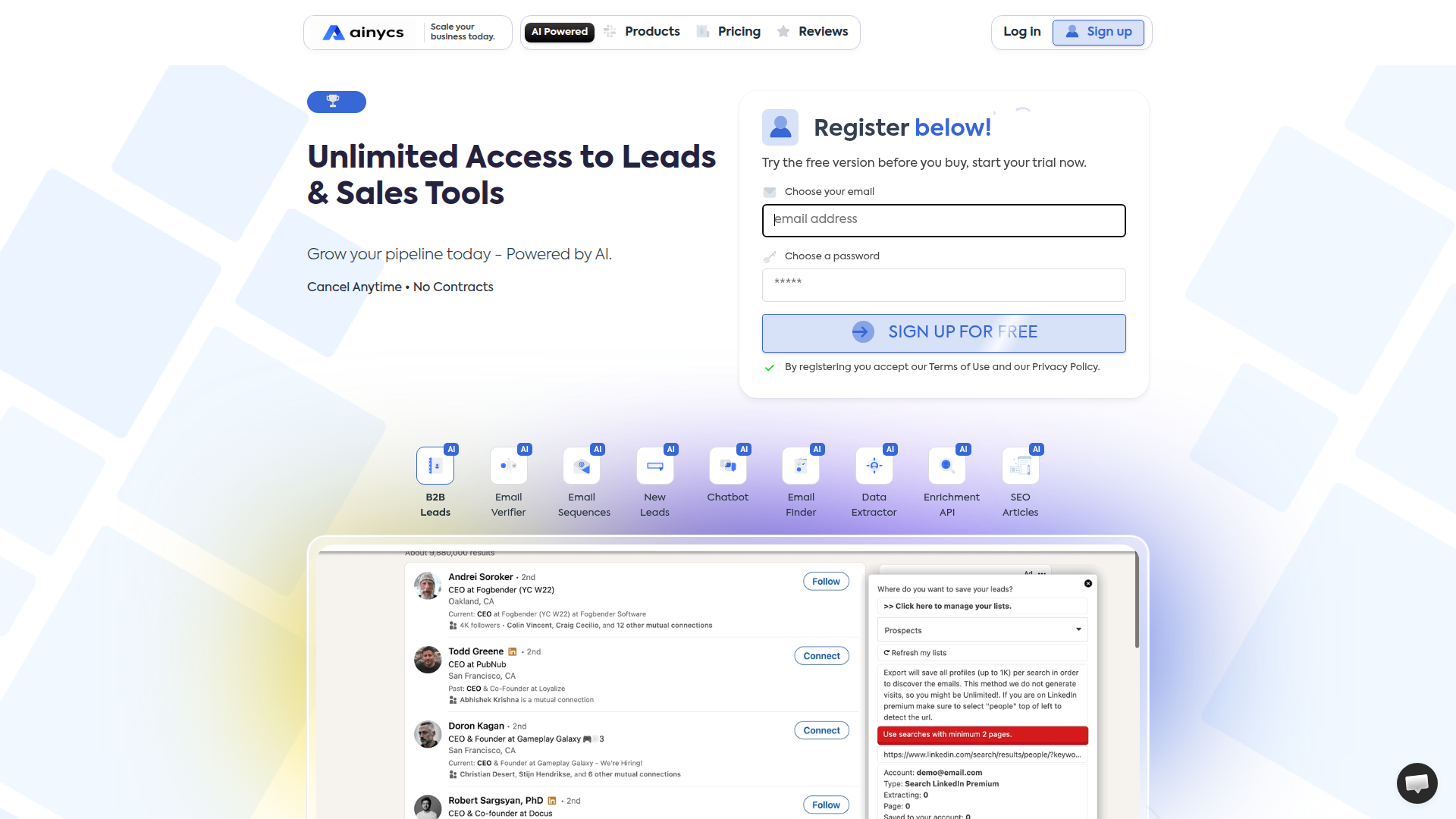
Discover how Ainycs can transform your email marketing strategy with its AI-powered tools. From extracting targeted B2B leads to verifying email addresses and crafting personalized outreach campaigns, Ainycs offers a comprehensive suite designed to boost your sales efforts. With daily updates on new domains and an intuitive platform, it's the perfect solution for businesses looking to enhance their lead generation process and drive growth. Explore Ainycs today to elevate your strategy!
FAQ
- What is the importance of email verification for businesses?
Email verification is essential for businesses to maintain clean and effective email lists. It helps identify and remove invalid or problematic email addresses, ensuring marketing efforts reach genuine and reachable contacts. This process enhances the overall quality of the email list and protects the sender's reputation by reducing bounce rates and avoiding spam filters. - What are the consequences of not verifying email lists?
Failing to verify email lists can lead to higher bounce rates, damaging your sender reputation and resulting in emails being blocked or sent to spam folders. This wastes marketing dollars and reduces campaign effectiveness, as messages fail to reach the intended audience, leading to missed opportunities for conversions and sales. - How can businesses identify problematic email addresses?
Problematic email addresses can be identified by monitoring high bounce rates, which signal issues to Email Service Providers. By categorizing addresses into Valid, Invalid, Accept-All, and Unknown, businesses can focus on maintaining a list of Valid addresses, improving deliverability and engagement rates. - What methods can be used for email verification?
Email verification can be performed using domain verification to confirm business legitimacy, advanced tools like Reeon Email for high accuracy, and services offering both bulk and real-time verification. These methods help filter out invalid and inactive emails, ensuring communications reach genuine contacts. - How often should email lists be verified?
Email lists should be verified regularly, ideally every three to six months, to maintain the integrity and effectiveness of email campaigns. Regular verification prevents outdated addresses from affecting campaigns and ensures communications reach active and engaged recipients, reducing bounce rates and improving deliverability. - What are the benefits of using automated email verification services?
Automated email verification services help identify and eliminate invalid emails, reducing bounce rates and complaint rates. This proactive approach protects your reputation with email service providers, ensuring messages are not flagged as spam and improving the effectiveness of current and future campaigns. - What are best practices for maintaining clean email lists?
Best practices include utilizing real-time email verification tools to catch invalid emails at the point of collection, regularly scheduling verification, and choosing trusted providers that comply with regulations like GDPR and CCPA. These practices help maintain a high-quality email list, enhancing deliverability and engagement. - How does compliance affect email verification services?
Compliance with regulations such as GDPR and CCPA is crucial when using email verification services. It ensures that user data is protected and that the verification process aligns with legal requirements, maintaining trust with your audience and avoiding potential legal issues. - How can businesses evaluate the performance of email verification tools?
Businesses can evaluate email verification tools by assessing user satisfaction ratings and accuracy levels. Tools like ListKit, with high ratings on platforms like G2, indicate consistent performance in delivering accurate results, which is crucial for maintaining high-quality email lists and optimizing marketing campaigns. - What common mistakes should be avoided in email verification?
Common mistakes include neglecting regular verification, failing to choose compliant providers, and not understanding data decay rates in B2B contacts. Regularly verifying lists and selecting trusted providers help maintain data accuracy and effectiveness, preventing ineffective campaigns due to outdated or invalid addresses.